

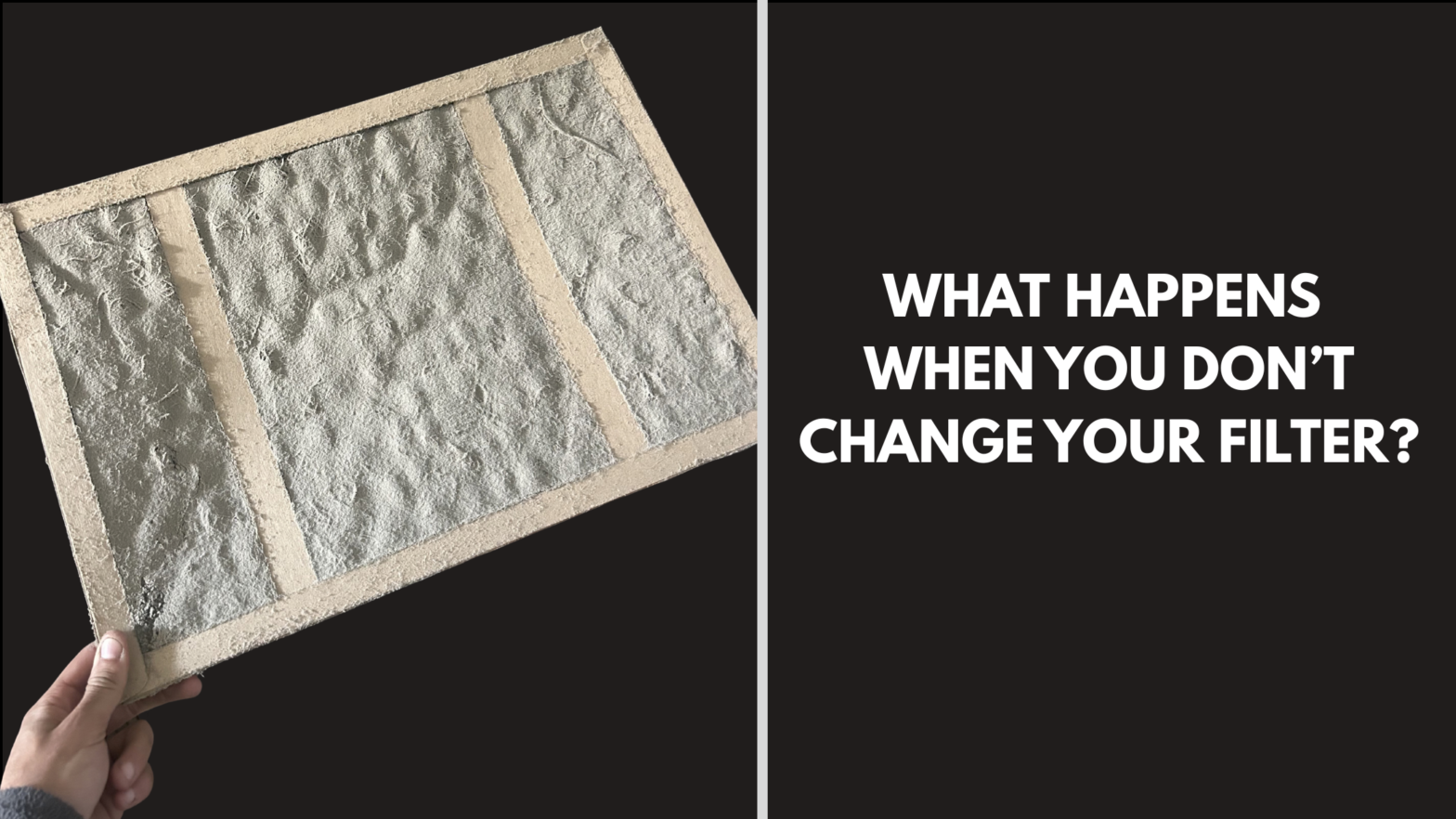
Ignoring your air filter is one of the fastest ways to end up needing expensive HVAC repair. A clogged filter restricts airflow, forces your system to overwork, and slowly damages critical components.
In North Carolina, where systems run heavily in both summer and winter, this small maintenance task can make the difference between a $20 filter replacement and a $5,000 HVAC repair.
Let’s break down exactly what happens.
1. Reduced Airflow Leads to HVAC Repair Calls
When an air filter becomes clogged with dust, pet hair, and debris, airflow becomes restricted. Your system has to work harder to push air through the blockage.
Over time, that strain leads to:
- Weak airflow from vents
- Rooms that never reach the right temperature
- Longer run times
- Higher energy bills
Restricted airflow is one of the most common causes of preventable HVAC repair visits.
2. Frozen Evaporator Coils
When airflow drops, the evaporator coil can get too cold and freeze over. Consequently, ice buildup blocks cooling entirely and can lead to:
- AC blowing warm air
- Water leaks when ice melts
- Compressor damage
If left unchecked, a failed compressor isn’t a small fix — it’s major HVAC repair territory.
3. Overheating Furnace Components
In heating mode, a dirty filter traps heat inside the system. As a result, this can cause:
- Furnace overheating
- Cracked heat exchangers
- Safety shutdowns
- Premature part failure
Unfortunately, a cracked heat exchanger is one of the most expensive HVAC repair scenarios a homeowner can face – not to mention dangerous because of leaking carbon monoxide.
4. Increased Energy Bills
When your system struggles to move air, it runs longer cycles. Because of this, you may notice:
- Higher electricity use
- Increased gas consumption
- Shortened equipment lifespan
In comparison, spending $10–$25 on a filter every 1–3 months can prevent hundreds — sometimes thousands — in HVAC repair costs.
5. Poor Indoor Air Quality
Dirty filters circulate:
- Dust
- Allergens
- Pet dander
- Mold spores
As a result, if anyone in your home has asthma or allergies, neglected filters can make symptoms worse. Often, air quality complaints lead homeowners to call for HVAC repair, when the real issue is simple maintenance.
6. Complete System Failure
This is where neglect becomes expensive. Over time, long-term airflow restriction can cause:
- Blower motor burnout
- Compressor failure
- Control board damage
- System short cycling
At that point, you’re not just looking at maintenance — you’re looking at serious HVAC repair or even full system replacement.
How Often Should You Change Your Air Filter?
Here’s a practical guide:
- Every 30 days → Homes with pets
- Every 60 days → Standard households
- Every 90 days → Low-use or vacation homes
Additionally, if you live in North Carolina where HVAC systems run heavily in both summer and winter, checking monthly is smart.
Warning Signs You May Already Need HVAC Repair
Call a professional if you notice:
- Weak airflow
- AC not cooling
- Furnace shutting off frequently
- Ice on the indoor unit
- Unusual smells
- Sudden spike in energy bills
If these symptoms appear, airflow issues may have already caused damage.
The Bottom Line
Your air filter is cheap. HVAC repair is not.
Replacing a filter takes 5 minutes. However, ignoring it can cost thousands.
If you’re unsure whether your system has been affected by a clogged filter, scheduling an inspection now could prevent major problems later.
Need Reliable HVAC Repair?
If your system is already showing signs of stress, don’t wait until it fails completely. Instead, a professional inspection can identify airflow restrictions before they become costly repairs.
Ultimately, regular maintenance protects your comfort, your air quality, and your wallet.